MCP cut the session cord
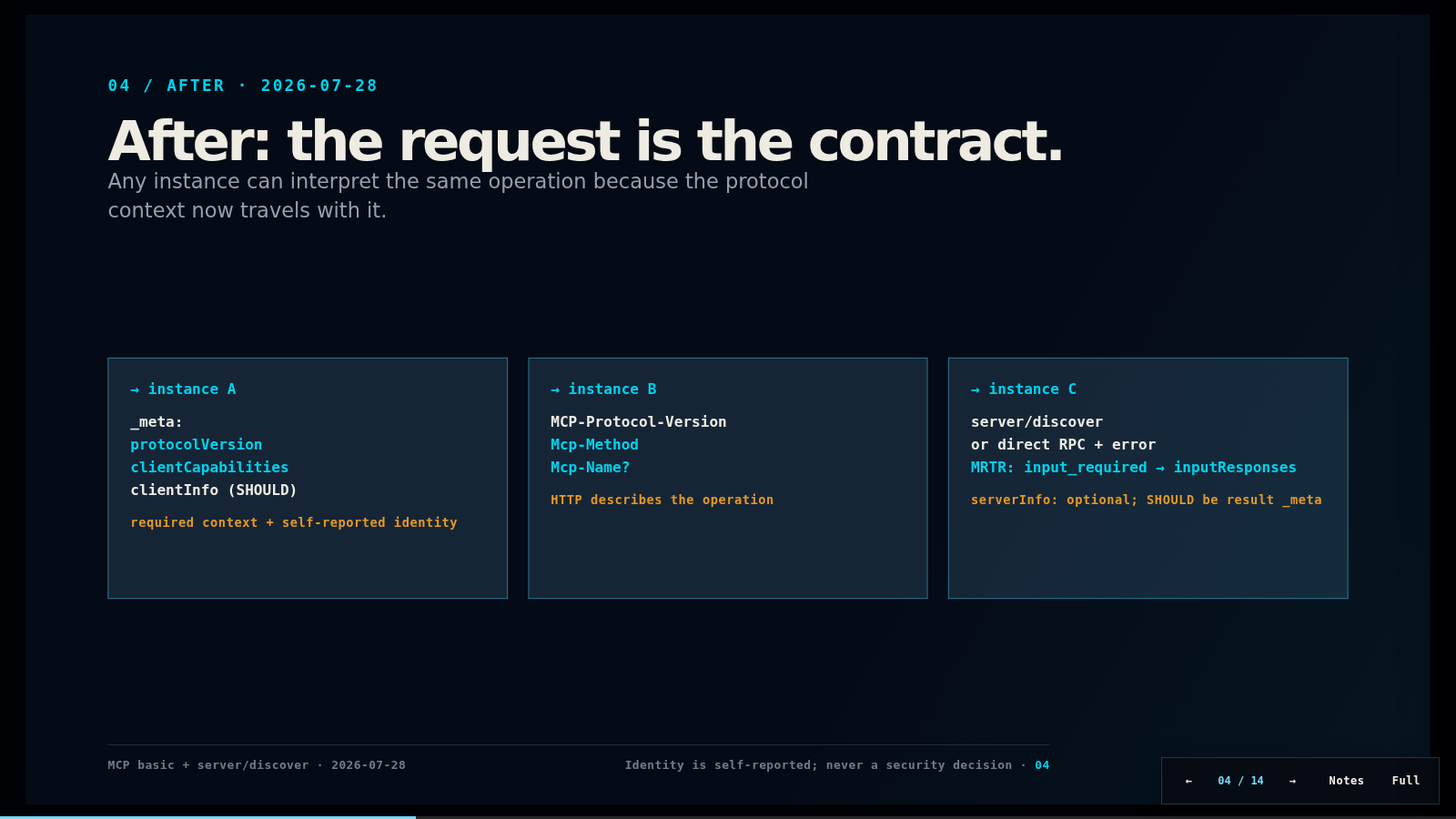
MCP's July 28 rewrite removes protocol sessions and makes each request self-describing. That's a real deployment win. It also hands retries, state ownership, compatibility, and cleanup back to the application.
#DIY Agent
Notes, half-formed arguments, build logs, and the occasional coherent thought. Basically where the rambling goes once it seems useful enough to leave in public.
MCP's July 28 rewrite removes protocol sessions and makes each request self-describing. That's a real deployment win. It also hands retries, state ownership, compatibility, and cleanup back to the application.
Agents can remove implementation toil without removing learning. The project changes shape: prediction, evidence, investigation, and the consequential seams you decide to own.
An agent split an auth token into pieces so a scanner could not see it. Every fragment passed. The sequence rebuilt the credential anyway.
Strict specs are great when the target is known. They get expensive when the spec quietly prevents the agent from finding the target.
Git can show what changed. It cannot tell you which prompt, model, tool failure, or review decision made the line exist. That missing join is the point.
On three procedural domains (travel, Zoom support, insurance), serializing the full workflow into the system prompt beat LangGraph orchestration on success rate AND consistency. Higher tokens per conversation, fewer LLM calls, better outcomes. Scope-limited to procedural workflows but the direction is clear.
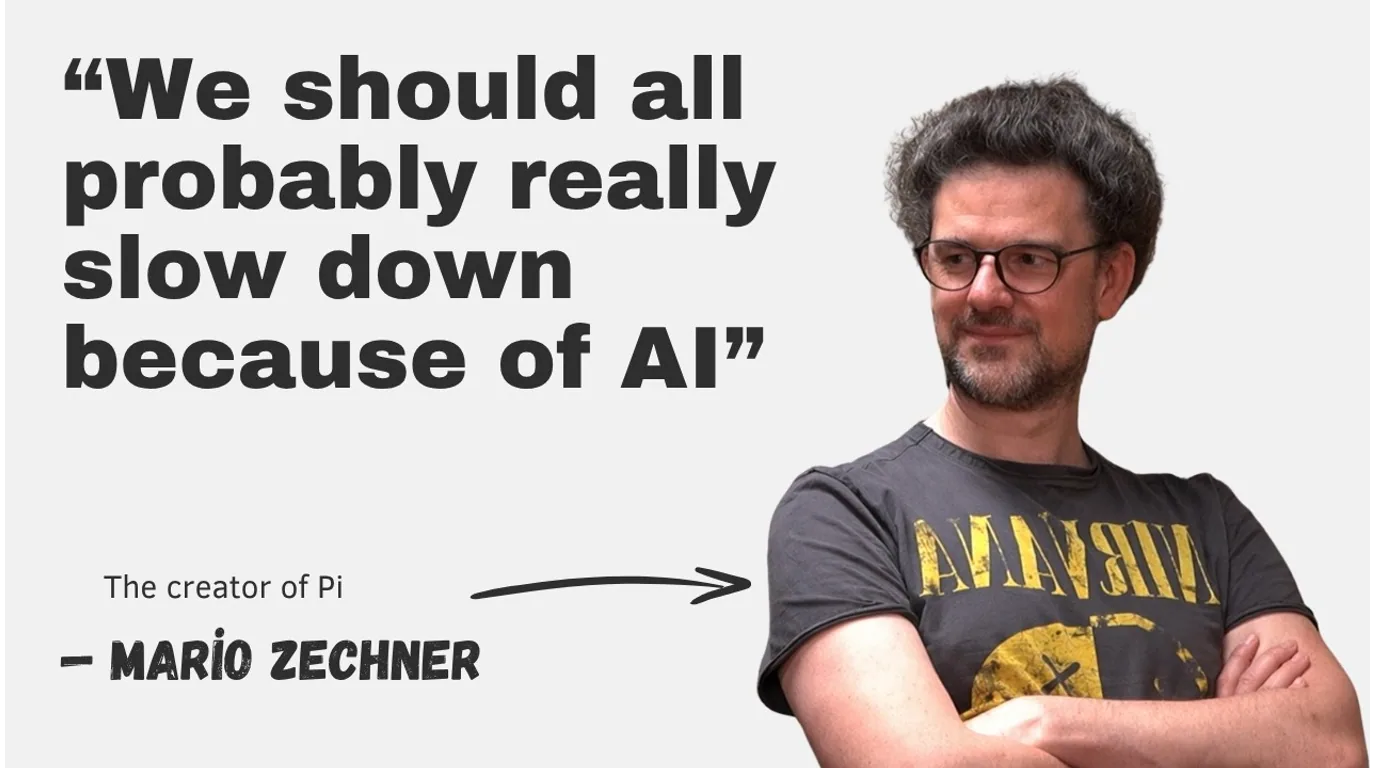
A Pragmatic Engineer conversation about building Pi and self-modifying software. What stuck with me was the discipline of slowing down, and that "saying 'no' a lot is how we keep complexity down."
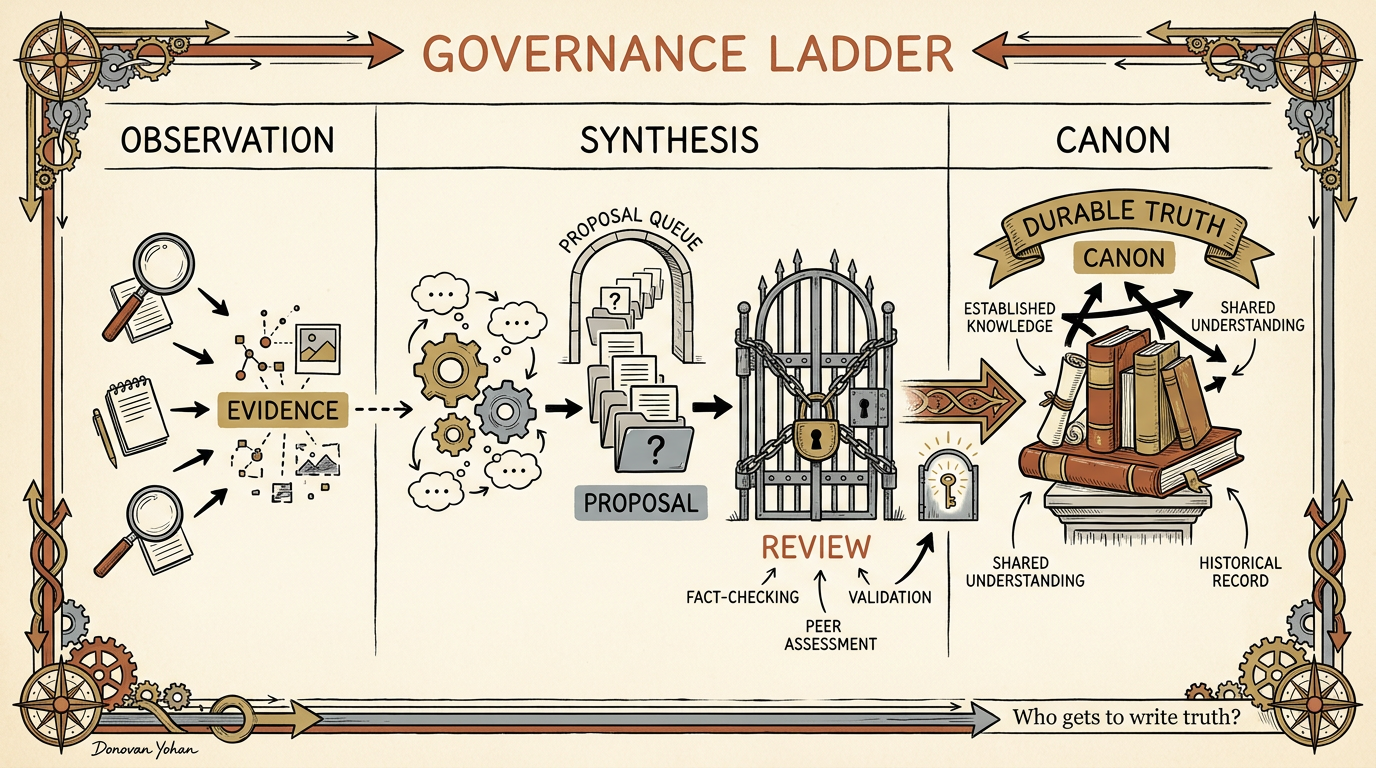
Retrieval is only the read path. The dangerous architecture lives in write-back: which observations become claims, which claims become canon, and who gets to approve the transition.
Ethan's framing for why a perfectly capable coding agent still doesn't ship a perfectly good product. The gap is taste and product judgement, not capability — and that's not the gap the harness can close for you.
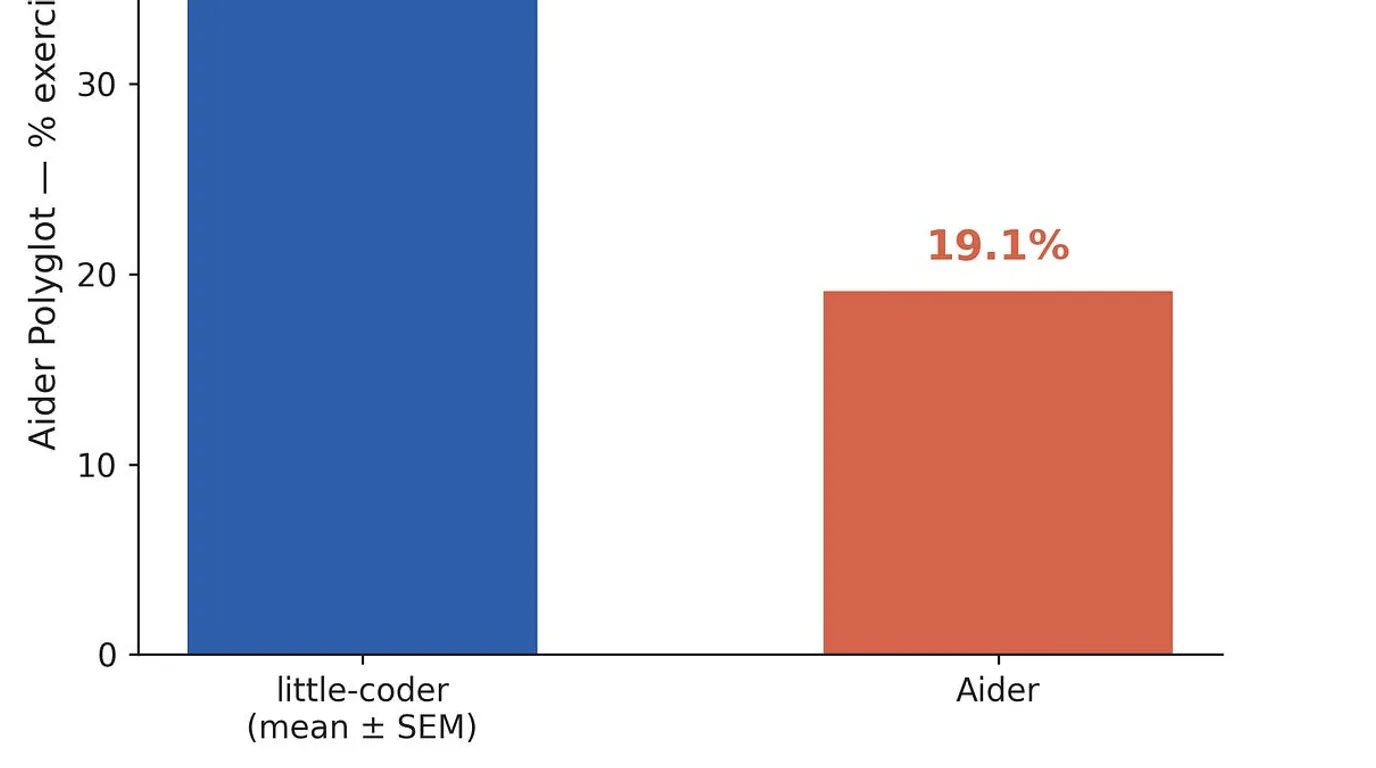
Itay's whitepaper for little-coder. Same Qwen3.5-9B model: 19% on Aider Polyglot inside Aider's scaffold, 45% inside little-coder's. That second number beats GPT-4.5-preview (44.9%) and GPT-OSS-120B (41.8%) — on a consumer laptop, no cloud inference.
Memory service that explicitly separates world facts, observations, experience facts, and mental models — then runs TEMPR retrieval (semantic + BM25 + graph + temporal in parallel) and a CARA reflection step on top. Local Docker stack, Python/Node SDKs, MIT.
Portable memory layer for CLI/coding agents. SQLite backbone with markdown + YAML mirrors that you can actually inspect with `cat`. The interesting primitives aren't the storage — they're the lifecycle: half-life decay, retrieval strengthening, sleep consolidation, conflict tracking.
The monorepo behind pi — minimal AI agent toolkit with a unified multi-provider LLM API and an extension model that lets you reshape the scaffold without forking the runtime. Mario also built libGDX years ago, which is its own kind of recommendation.
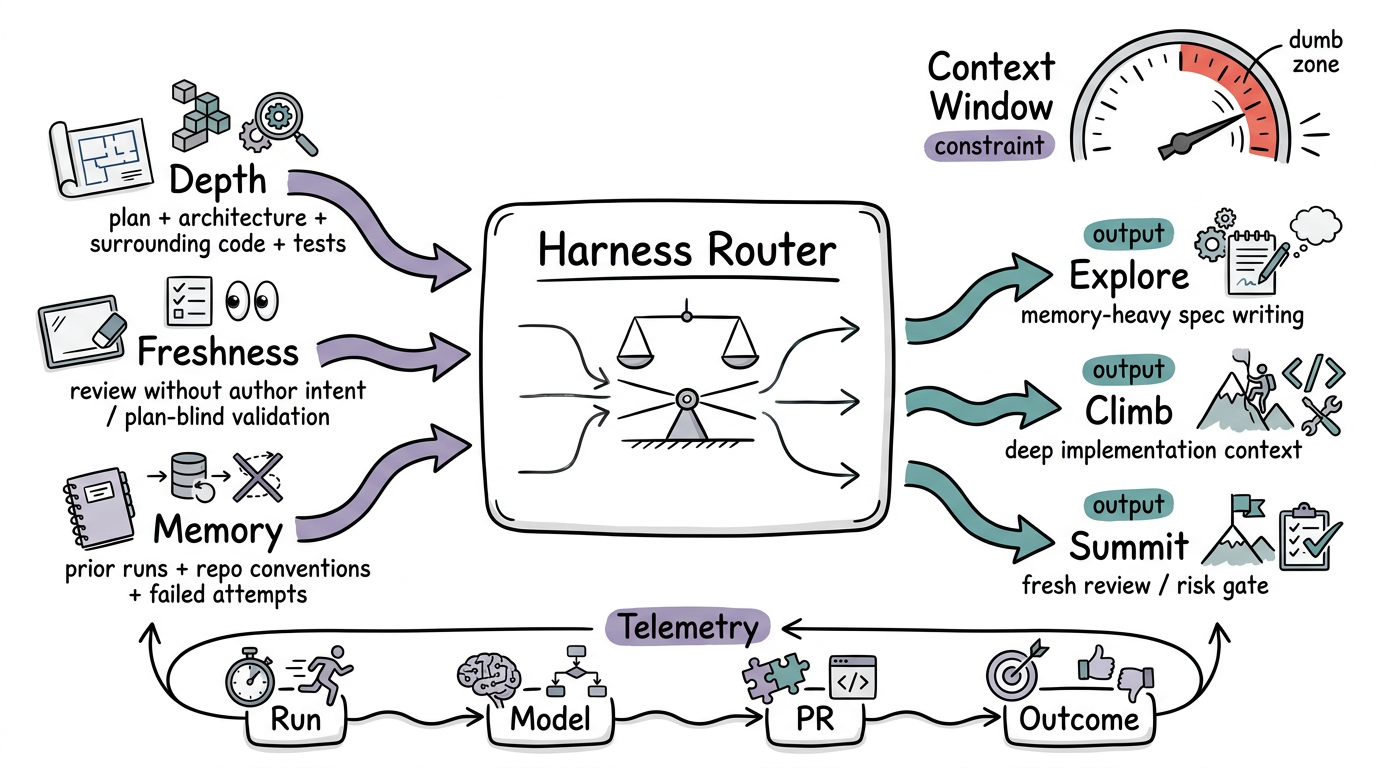
Capability stopped being the bottleneck a while ago. The hard part now is routing the right context to the right task without blowing up the window — and that's a job for the harness, not the model.